A brand must be greater than one identity, one story, one experience.
That’s why we’re Greater Than One.

POINT OF VIEW
The power of independence.
Independent, client focused and employee owned, Greater Than One’s guarantee is to exceed client expectations. Hear how.
Making the healthcare industry better, one article at a time.
Get the latest from Greater Than One — read through what makes our leadership tick, our impacts in the industry, and where we’ll be next.

THINK TANK: AI’s impact on Pharma
What Implementations of AI Have Most Impacted Pharma and Will Impact Pharma in the Future? The world is constantly changing. Every year there is new technology being developed and introduced to the world to make everyday tasks simpler, quicker, and easier. More specifically, Artificial Intelligence (AI) has made its way into our everyday lives via…
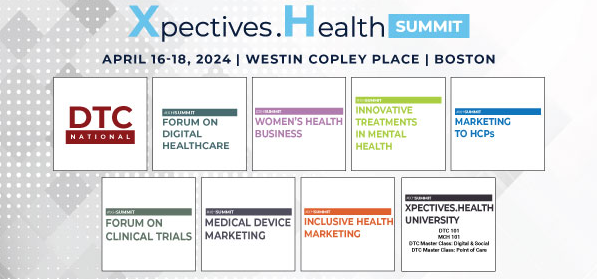
Amanda Powers-Han Presenting at Xpectives Health Summit
Join Amanda Powers-Han, CMO of Greater Than One, at Xpectives Health Summit on April 18. Amanda will be taking the stage with Lori Johnston, Deputy Director, US Pulmonary Marketing at Grifols. She will be sharing why media plans should be dynamic not static.

Andrew Bast Rejoins Greater Than One as Chief Strategy Officer
Media marketing and technology agency Greater Than One has announced Andrew Bast will be rejoining the agency as Chief Strategy Officer. Andrew brings the art and science of strategic planning to forge dynamic, insight-driven strategies which resonate deeply with our client’s customers. He has launched and grown many brands, including NEXIUM, REXULTI, SEROQUEL, ENBREL, and WEGOVY.
THINK TANK: AI’s impact on Pharma
What Implementations of AI Have Most Impacted Pharma and Will Impact Pharma in the Future? The world is constantly changing. Every year there is new technology being developed and introduced to the world to make everyday tasks simpler, quicker, and easier. More specifically, Artificial Intelligence (AI) has made its way into our everyday lives via…

What Working in the Rare Disease Space Means to the People of Greater Than One
February is Rare Disease Month where organizations worldwide come together to raise awareness for the 7,000 known rare diseases that affect over 300 million people. Greater Than One, as an agency, has been working in the rare disease space for over 20 years. Hear from the team about what working in the rare disease category means to them. Rare…

Social Media in Healthcare Advertising: Building a loyal audience of brand evangelists
Today, more than 50% of U.S. adults rely on social media to help them make major decisions about their healthcare. That’s why having an effective content strategy for platforms like Meta, TikTok, and YouTube is more important than ever. But just being on social media isn’t enough. It’s crucial that companies humanize their brands and…
Andrew Bast Rejoins Greater Than One as Chief Strategy Officer
Media marketing and technology agency Greater Than One has announced Andrew Bast will be rejoining the agency as Chief Strategy Officer. Andrew brings the art and science of strategic planning to forge dynamic, insight-driven strategies which resonate deeply with our client’s customers. He has launched and grown many brands, including NEXIUM, REXULTI, SEROQUEL, ENBREL, and WEGOVY.
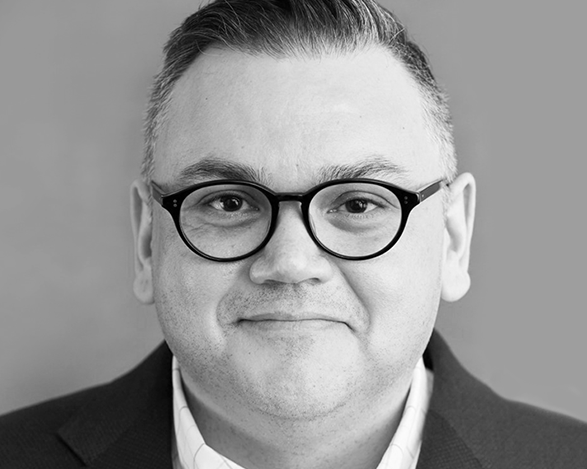
Greater Than One Appoints Jazon Valdez as Chief Operating Officer
Greater Than One, a privately held advanced media marketing and technology agency focused on healthcare, announced that Jason Valdez has been promoted to Chief Operating Officer. Valdez is responsible for the overall operations of Greater Than One and to ensure the agency’s mission of building better healthcare experiences for customers.
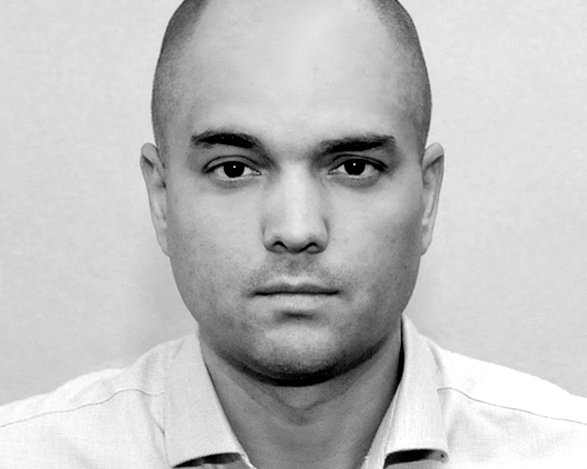
Greater Than One appoints Preston Taylor Chief Financial Officer
NEW YORK, (September 19, 2023) — Greater Than One, a full-experience marketing agency focused on healthcare, announced that Preston Taylor has been named Chief Financial Officer. He will be responsible for overseeing the agency’s financial and commercial operations. Taylor will report directly to Elizabeth Apelles, CEO of Greater Than One. According to Apelles, “Preston has…
Amanda Powers-Han Presenting at Xpectives Health Summit
Join Amanda Powers-Han, CMO of Greater Than One, at Xpectives Health Summit on April 18. Amanda will be taking the stage with Lori Johnston, Deputy Director, US Pulmonary Marketing at Grifols. She will be sharing why media plans should be dynamic not static.
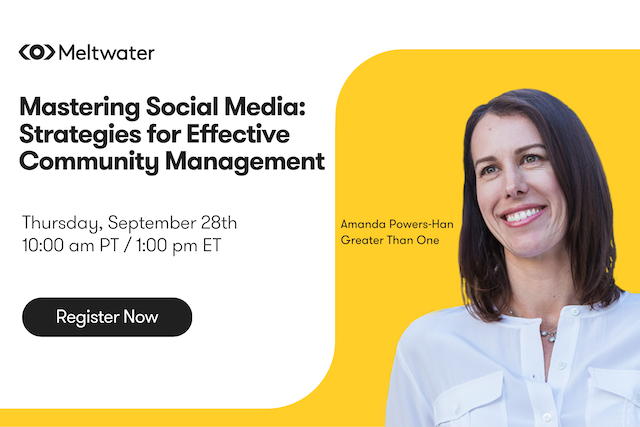
Webinar on Mastering Social Media: Strategies for Effective Community Management
Join Amanda Powers-Han, CMO of Greater Than One, in partnership with Meltwater for a webinar on Mastering Social Media. During the webinar, Amanda will cover the guiding principles of social media, social media strategy, the importance of internal buy-in and effective community management.
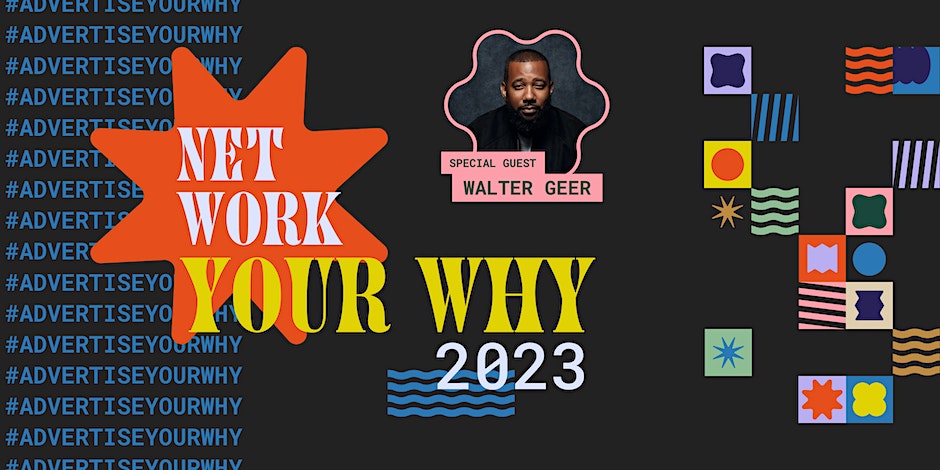
Network Your Why Event
Bindhu Gopalan, our Chief Client Officer, will moderate the Network Your Why 2023 event on September 14 in NYC. This event highlights the voices of diverse, purpose-driven professionals in the healthcare advertising industry, sharing their stories with BIPOC and LGBTQIA+ individuals looking to start careers in healthcare advertising. For more information and to register…


Why Greater Than One?
Our superpower is getting your brand into the hands and onto the screens of your most important customers. We do that through the fusion of content, channel, and technology – an essential in modern healthcare marketing.